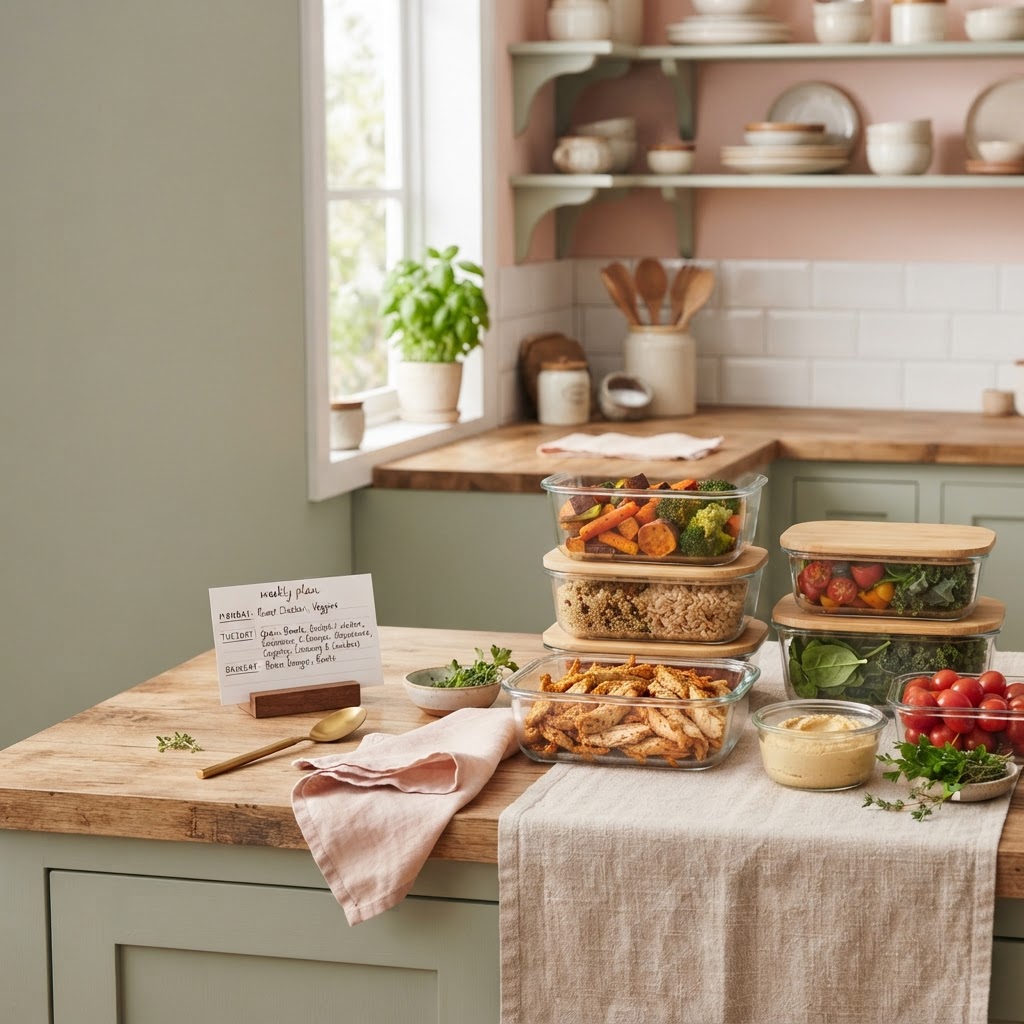
The Leftover-First Meal Plan: A Simple Way to Waste Less and Make Dinner Easier
There is a particular kind of dinner stress that happens around Wednesday: the groceries are technically still in the kitchen, but the original plan no longer sounds good, the vegetables are waiting to be used, and everyone is hungry now. A leftover-first meal plan helps solve that problem by making leftovers part of the plan from the beginning—not an obligation you hope someone will eat later.
Instead of cooking seven completely different meals, you prepare a few flexible building blocks and give them new lives throughout the week. It is practical, budget-friendly, and much kinder to your future self.
What is a leftover-first meal plan?
A leftover-first meal plan starts with one question: What can I intentionally cook once and use in two or three different ways?
You might roast a sheet pan of vegetables, cook a pot of rice or quinoa, prepare a protein, and wash a few fresh ingredients on Sunday or Monday. Those components become dinner bowls, tacos, wraps, soup, fried rice, or a hearty salad as the week goes on.
The goal is not to eat the same plate every night. The goal is to reuse ingredients while changing the flavor, texture, and format.
Why this method works for busy families
Meal planning is often presented as a strict calendar, but real family life is rarely that tidy. A leftover-first approach gives you structure without locking you into a meal you may not want three days from now.
It can also help you save money. When the same ingredients appear across several meals, you are less likely to buy one-off items that sit unused in the refrigerator. Planning around what you already have is one of the simplest ways to reduce food waste and make your grocery budget stretch further.
Most importantly, it lowers the number of decisions you have to make at 5:30 p.m. The hard work happens once, and the rest of the week gets easier.
How to build a leftover-first meal plan
1. Choose three flexible building blocks
Pick one protein, one starch, and one or two vegetables. For example:
- Lemon-garlic chicken or seasoned chickpeas
- Rice, roasted potatoes, or quinoa
- Roasted broccoli, peppers, onions, or zucchini
Keep the seasoning relatively versatile at first. Salt, pepper, garlic, olive oil, and herbs can work with several cuisines. You can add bolder sauces later so the meals feel distinct.
2. Plan a “fresh start” meal
Use the components in their simplest form for the first dinner: a colorful grain bowl with a quick sauce, avocado, or a little feta. This is the meal that makes your prep feel rewarding right away.
3. Transform, don’t repeat
On the next night, turn the leftovers into something that feels new. Add tortillas and salsa for tacos. Stir the vegetables and rice into a quick skillet meal. Put the chicken over greens with a bright dressing. Simmer everything with broth and beans for soup.
A different sauce can do a surprising amount of work: pesto, yogurt-herb dressing, teriyaki sauce, salsa, or a simple lemon vinaigrette can shift the whole personality of a meal.
4. Leave one flexible night
Do not plan every bite of the week. Keep one night open for leftovers, breakfast-for-dinner, takeout, or a freezer meal. This small margin is what makes the plan realistic when school runs late or the day simply goes sideways.
A sample five-night leftover-first plan
- Monday: Chicken, roasted vegetables, and rice bowls
- Tuesday: Chicken and vegetable tacos with salsa
- Wednesday: Fried rice with leftover rice, vegetables, and eggs
- Thursday: Warm grain salad with greens and lemon dressing
- Friday: Clean-out-the-fridge flatbreads or soup
Notice that the plan has a rhythm, not a rigid script. If Tuesday’s tacos sound better on Thursday, switch them. Your meal plan should serve your family—not make you feel like you failed because dinner changed.
A few tips for better leftovers
Cool cooked food promptly and store components separately when possible. Keeping sauces, greens, and crunchy toppings apart helps everything taste fresher. Label containers if your refrigerator tends to become a mystery box by midweek.
Also, plan for one “rescue ingredient,” such as eggs, tortillas, pasta, or canned beans. Rescue ingredients turn small amounts of leftovers into a complete meal and keep you from ordering dinner simply because there is not enough of one thing.
Make your kitchen work for you
The best meal plan is the one that gives you more breathing room. A leftover-first system lets you cook with intention, shop more thoughtfully, and create nourishing meals without starting from zero every night.
That is the heart behind Petal Kitchen: helping busy families turn good intentions into a plan that actually fits real life. And when you want more cozy, practical food inspiration for the table, visit Velvet Spoon Bites for another helping of ideas.
Start with one protein, one grain, and a few vegetables this week. Your Wednesday self will be very glad you did.